The world's first mobile network to use its profits to restore nature!
Audio off
The soothing sound of a blackbird
Ecotalk. Where nature has a voice.
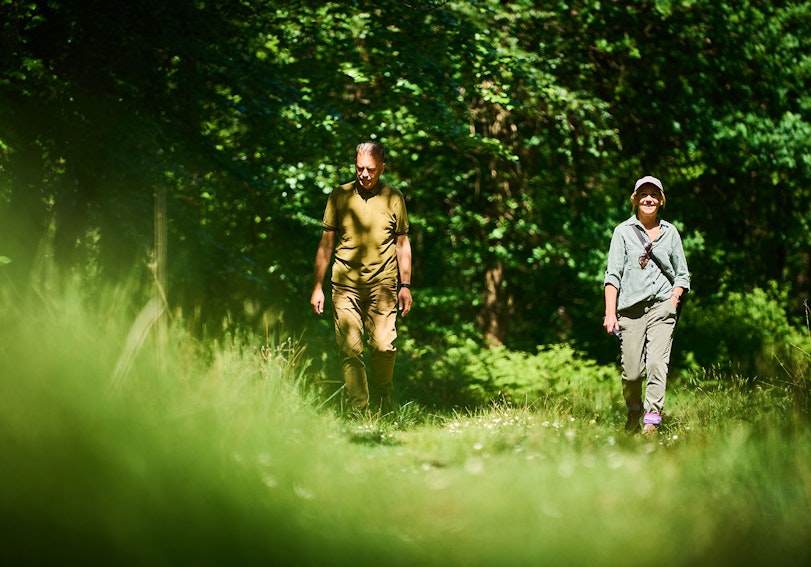
Chris Packham has joined Ecotalk as the company’s Chief Ecologist, with a mission to push profits into projects that revive Britain's wildlife. Here he explains why.
Chris Packham and Ecotalk
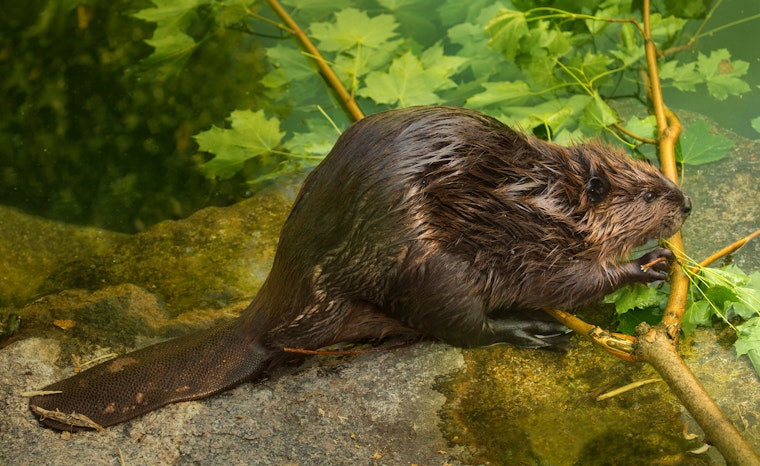
We have now been granted permission to reintroduce beavers.
We will ensure that future generations can enjoy Britain’s wildlife.
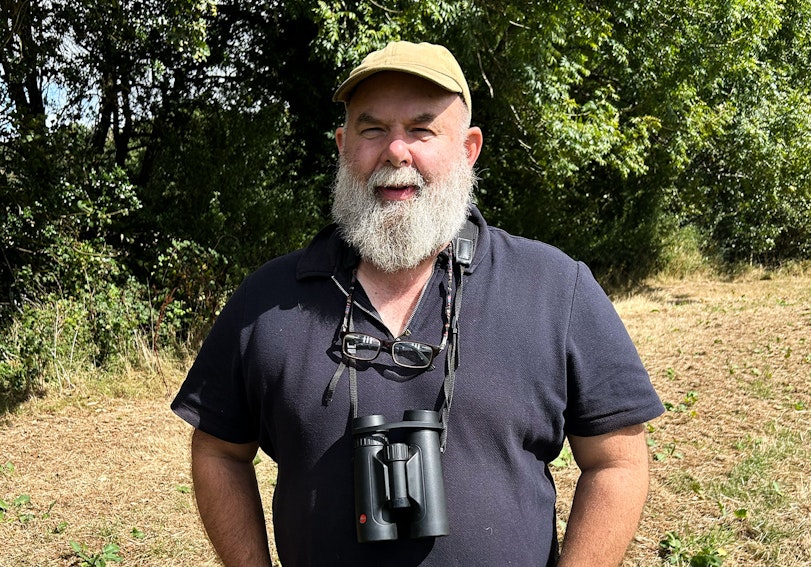
Derek Gow, a UK-based species reintroduction expert, will be critical in delivering our beavers at Bowyers Wood.
I am excited to announce my role as Chief Ecologist at Ecotalk, and together I believe that we can make a positive difference for nature. With your support we will use tried and tested conservation skills to transform ordinary countryside into rich reserves, where wildlife can thrive. Birds, bees, butterflies, moths and mammals, plants and insects; everything that creeps, crawls, slithers, slimes and stings … they all need protecting. So we are going to create some fantastic nature reserves and put up the welcome signs. Because if we build it, they will come.
The pressure is on
We all know the pressure is on. We’ve been waging war on Britain’s wildlife for decades. And thanks to destructive practices such as deforestation, industrial farming, water pollution, and overfishing, only the lucky and the toughest have survived. But it doesn’t have to be like this. Together, we can make our nature great again.
Introducing the Three Rs
Ecotalk has a long history of reinvesting its profits into restoring and protecting Britain’s natural resources, and with your help we plan to reintroduce, rewild, and replant across a number of new schemes. We’re calling it the Three Rs. And as the fruits of our labour blossom, we’ll keep you updated at every step of the journey. So let’s get ready to put wildlife back on the map.
Work has already begun
Okay, so when are the Three Rs being introduced? Excitingly, the work on the ground has already begun! And we have two beautiful, inaugural sites. In Sussex, Bowyers Wood combines multi-species woodland and fields, boasting flower-rich meadow potential. And, in Devon, we have a project at Downicary, a river-fringed valley of improved pasture, soon-to-be marshy scrapes, and historic, wet woodland. Impressive stuff. But it's just the beginning.
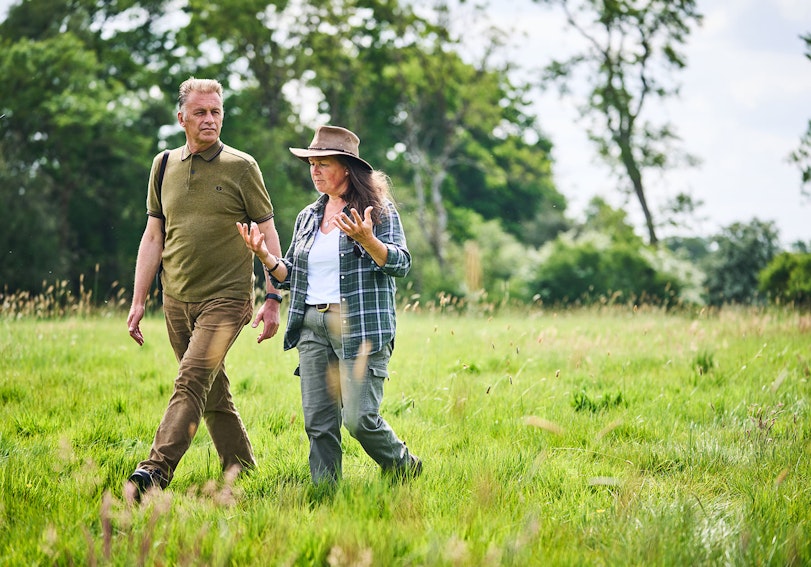
We have to be brave and bold when it comes to land management.
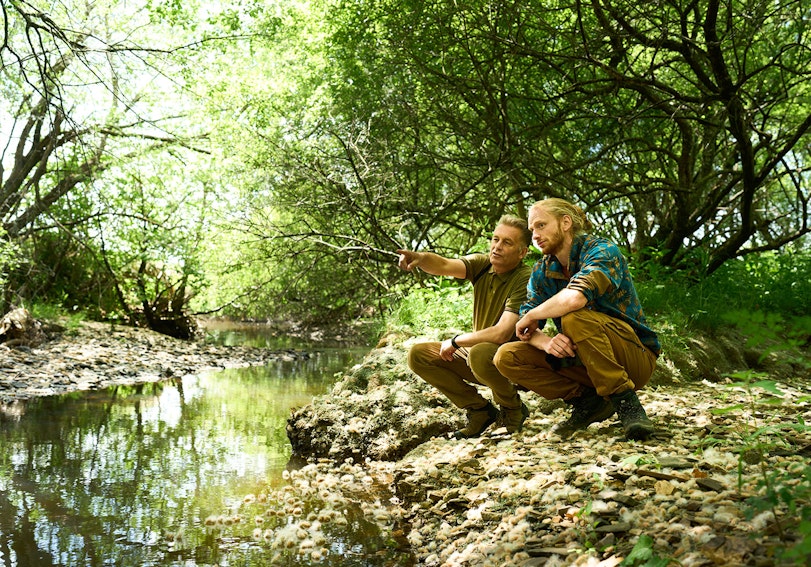
Assessing suitable homes for our Downicary beavers.
Ecotalk is working with the very best people in conservation.
Tinkering won't fix it
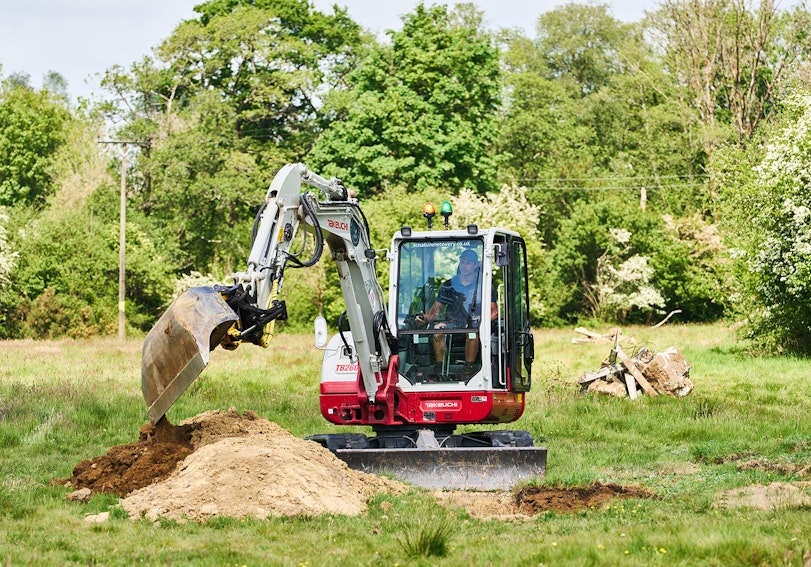
Before we really get cracking we are completing some ‘baseline surveys’ of the major species groups. We need to know what we’ve already got wildlife wise so we can protect that but also what is missing so we can shape our management to encourage many more species to flourish. Some of the management will be major. I’m talking diggers, tree felling, turf stripping, tree and wildflower planting on a large scale. We have to be brave and bold, whilst some have tinkered, we are committed to getting the jobs done to optimise a nature recovery as rapidly as possible. With your support we are going to make a real difference.
Help make nature great again with Ecotalk
Species 1
Eurasian Beaver
Castor.fiber
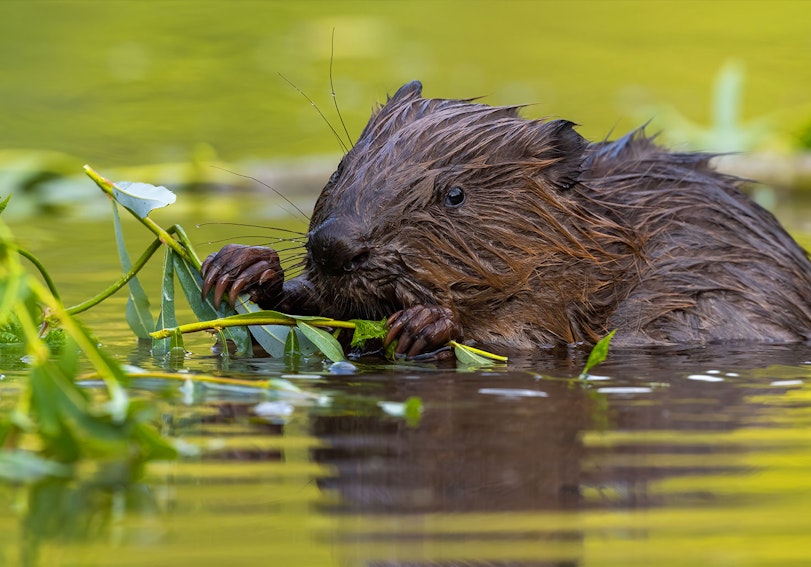
Beavers are back in Britain! After 400 years of absence these large, bark-munching lovelies are back where they belong; and they’re building better places for loads of other creatures, too. That’s because beavers are ‘ecosystem engineers’, positively reshaping the environment around them to benefit people and wildlife. And finally, after years of dilly-dallying, we have permission to legally reintroduce them. Working alongside Derek Gow—the UK’s ‘Beaver Guru’—we will assess, fence, and modify a 27-acre section of Bowyers Wood to support a pioneering reintroduction project. So exciting!
Species 2
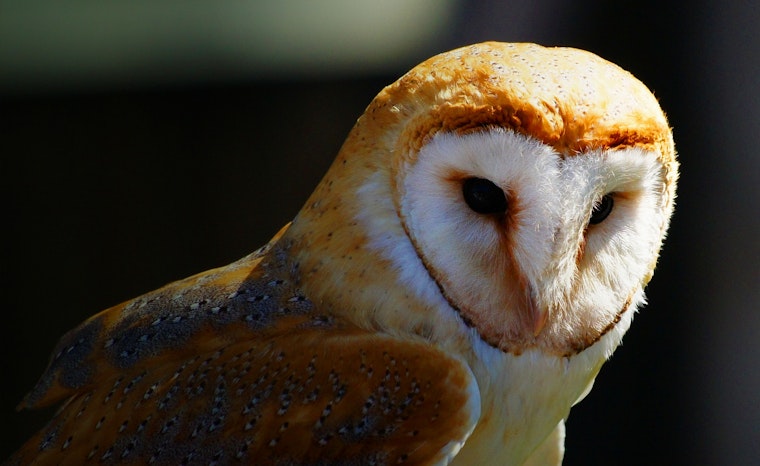
Barn Owl
Tyto.alba
The barn owl is one of the most popular birds in Britain. And I'm delighted to say that their numbers are on the increase, thanks to projects like ours. Their heart-shaped faces and silent flight have captivated us for thousands of years. But what comes out of them is equally interesting. Because barn owls tend to eat their prey whole, their pellets can include the intact skulls of creatures they've predated. When I was a kid, we'd go out and collect owl pellets. I'd take them home and my mum would bring in the doughnuts, and we'd break open the pellets to see what was inside. Brilliant!
Species 3
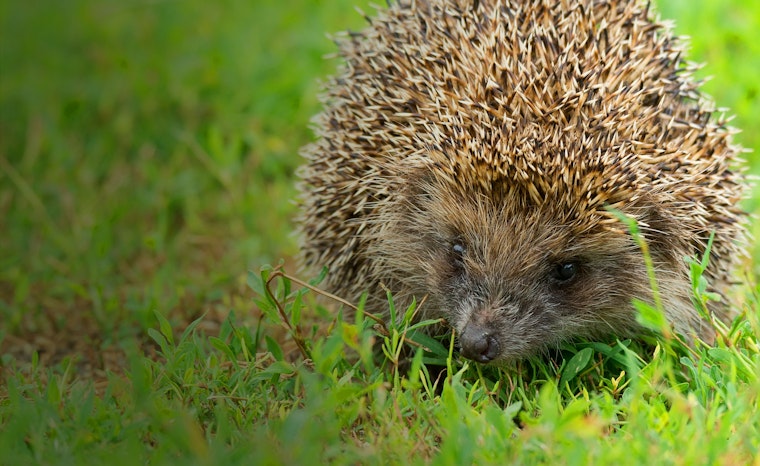
Hedgehog
Erinaceous.europaeus
We love our hedgehogs! They’re one of Britain's most cherished wild mammals, but we're losing them at an alarming rate. Through rewilding projects we plan to encourage significant areas of scrub, which will provide brambly shelter for as many Tiggywinkles as possible, with our meadows and grasslands teeming with all the beetles they need to eat. Our managed woodland will also include log piles, which make perfect hedgehog shelters. And this will benefit lots of other species, too; birds will nest, bees will buzz, reptiles will bask, and slugs will slime. Yes, it takes all sorts!
Ecotalking: Nature recovery
To turn things around, and get Britain's nature and wildlife back on top, we are going to use our mighty Three Rs—reintroduce, rewild, and replant—to make a difference. Each is proven to work. Each packs a punch. And each will benefit many species.
01Reintroduce
Reintroductions are very popular. And when they are feasible they can be truly impressive. Red kites, sea eagles, ospreys—amazing projects, which have transformed our skies. But it’s not just birds. Hazel dormice, pine martens, and water voles have all been successfully reintroduced, with spectacular results. And let’s not forget the little things. Field and wart-biter crickets, ladybird spiders, and now even New Forest cicadas are being carefully reintroduced to their former haunts. But reintroductions are often the cherry, and you need to bake the cake first, rebuilding and restoring the habitat from the ground up. Which brings us to …
02Rewild
Rewilding has become a successful conservation tool in the last 30 years, with projects like Knepp and Cairngorms Connect significantly transforming the landscape, leading to long-term species recovery. But it’s not just about throwing a fence around some land and letting it do its own thing. Through considered and measured management, habitat restoration can be accelerated. This often means getting stuck in with some heavy lifting; removing invasive species; creating glades in overgrown woodland; or replanting grasslands with wildflowers. These techniques have been tried and tested. And we will be rolling them out as rapidly as we can.
03Replant
The UK has the lowest amount of forest cover anywhere in Western Europe, at just 13%. And so replanting native trees is a very real necessity, which pays dividends in many ways. Obviously, it’s better for wildlife, providing food and shelter for thousands of species. But it is also a surefire way to lock up carbon, making it an asset which addresses climate breakdown. Planting trees can also add important resilience to the landscape, particularly by reducing flooding. However, replanting native forest is a long-term commitment. Each tree needs to be put in the right place, and to be lovingly nurtured through drought and downpour.
The first book I ever read was Ring of Bright Water. And it's amazing to see otters thriving.
Don't mow! Let it grow! We need to support Britain's pollinators by supporting wildflowers.
We can do it. We can restore our species and habitat. It's not a lost cause.
Ecotalk on the ground
01Downicary
This beautiful set of formerly-grazed fields has enormous potential to become wet meadows, teeming with ponds, bogs, and marshes. But there's a lot of work to do beforehand. Whilst the weather’s been dry, diggers have been hard at work making scrapes, building dykes, and blocking the old drains. The winter will see some hedgerow planting and gentle management of the wet woodland, which is already a fantastic habitat. Elsewhere, the site has a beautiful, clear stream running down one side… which already has beavers! Amazing! I’m pretty certain we will have otters, too. Only time and our trap cameras will tell!
This nearly 250 acre wood is in Sussex and has a mix of species, Oak, Beech, Hazel, Sweet Chestnut and Ash. It looks lovely but hasn’t been managed for a long time so it needs thinning and parts need clearing. There are also overgrown ponds which need some love and a set of fields which have real potential as wildflower meadows. A stream runs through it and its here we plan to erect an enclosure to house our beaver pair. Stage one is finding out what already lives there and getting some nest boxes up. It’s a very exciting part of the project and we can't wait to get started this winter.
Ecotalk. Nature action. Check-in regularly with our NatureCams to see the difference our Ecotalk customers are making…
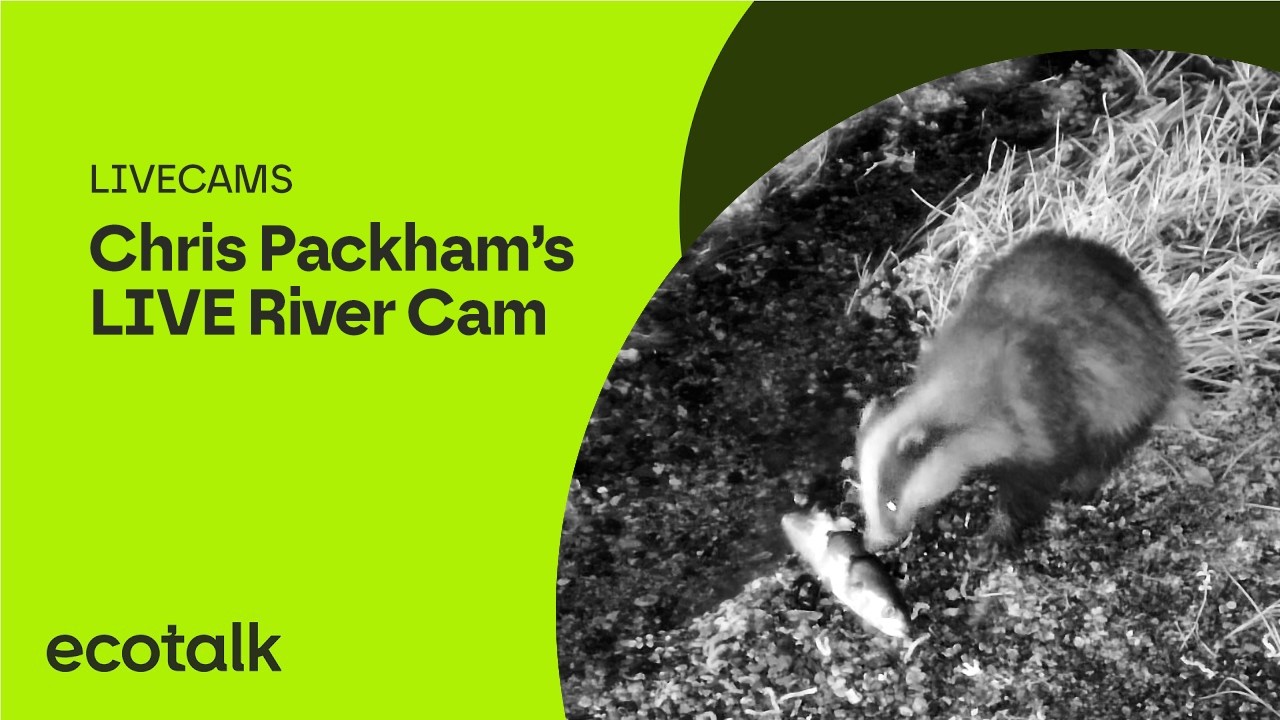
September updateChris Packham's LIVE River Camera
Ecotalk EcoCams
As we develop the Three Rs project we will be constantly monitoring the sites, using a variety of different nature cameras, and you can rest assured that we will update you with whatever we find. We want you to be part of this journey!
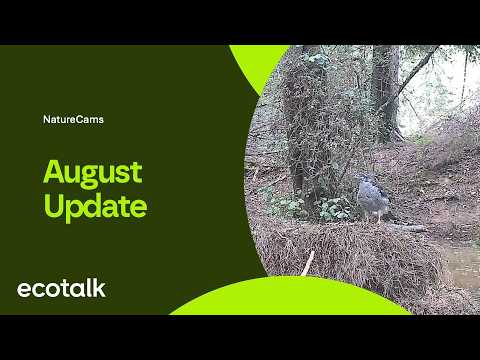
August updateGoshawk, Beaver & Buzzard
Location: Bowyers Wood, East Sussex
August's camera trap roundup features three brilliant visitors at Bowyers Wood: a goshawk, a buzzard, and one of our beavers. Nature is thriving.
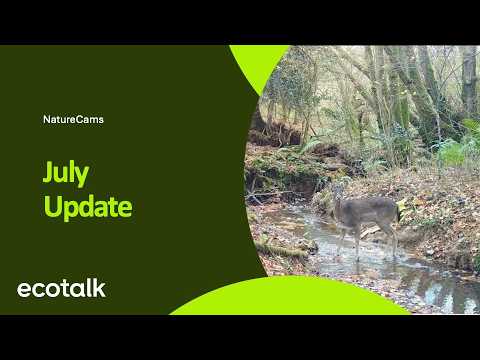
July updateDeer Springs
Location: Bowyers Wood, East Sussex
A thirsty deer stops for a much-needed drink in the July heatwave…then suddenly, the rest of the group spring into action for a scamper through the woods!
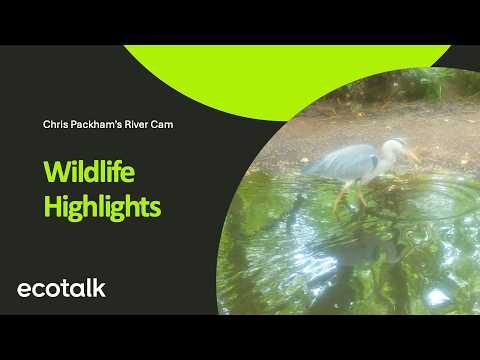
June updateWildlife Highlights
Location: Chris Packham's Garden
From unforgettable wildlife encounters to surprise visitors, here are the most memorable moments captured by Chris Packham's LIVE River Camera.
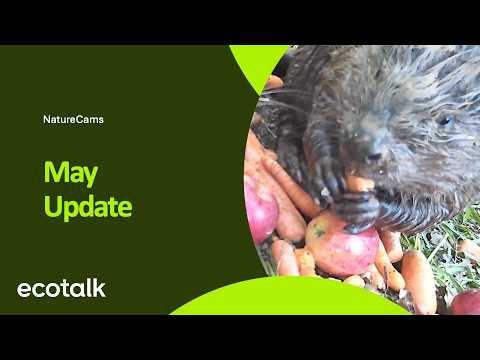
May updateBusy Beavers
Location: Bowyers Wood, East Sussex
May's Nature Cams star the newest residents of Bowyers Wood as the beavers enjoy carrots provided by the team while they settle into their new home.
Wildlife are our shareholders. We're giving Britain's native species a voice on our board. The work we're doing across our sites is all designed to increase biodiversity and support our board members to live happily in a more natural environment.
Join the thousands of Ecotalkers who’ve made the switch
SG
Simon Gregory
I recently switched to Ecotalk from O2
I recently switched to Ecotalk from O2 and I have been thoroughly impressed with all aspects of their service.
Network coverage is very good, it feels great that my money is going towards making a positive change rather than making rich people richer, and their customer service team are excellent. Having come from O2 (who have a strong reputation for customer service), I wasn't sure what kind of experience I would have, but the team are knowledgeable, patient, understanding. They are, without doubt, the main reason I am giving Ecotalk 5stars and recommending them to my friends and family.
Date of experience: 9 September 2026
ML
Martin LeSanto-Smith
Easily the best SIM I have ever had
Easily the best SIM I have ever had and would 100% recommend going with them.
My only gripe is that they don't provide home broadband as I really really want them to start providing that as a new service so that I can swap everything over to them.
Please use them for your mobile phone and then please ask them to start providing home broadband too :)
Date of experience: 13 September 2026
NT
Nick Theobald
Fantastic customer service
Fantastic customer service. Promptly answered by a real person and addressing the issue accurately. So impressed. What a great company!
Date of experience: 8 September 2026
JB
Jane B
I've just joined this great…
I've just joined this great organization - where profits are not fed into shareholders pockets but rather into the environment. I had reason to contact them at the start of my contract and I received excellent customer support - response time, clarity and helpfulness. I hope that this enterprise will grow from strength to strength.
Date of experience: 9 September 2026
AW
Andrews Welsby
I've been with EcoTalk for about 6...
I've been with EcoTalk for about 6 months now and it's absolutely no different from my previous provider in terms of service. Very happy I made the switch.
Date of experience: 7 August 2026
HK
Hannah Kimpton
Excellent! Better than EE!
Excellent! Hassle free! Better than EE! Switched from ee to eco talk who use the same lines but charge less and their profits go towards rewilding britain and i have not had a single problem with them, a breath a fresh air after all the problems i had with ee.
Date of experience: 8 August 2026
H
Hels
I love the commitment to nature and…
I love the commitment to nature and sustainability. The switch was so easy, took a couple of days to port my number across, coverage is better where I live and logging in to the website to see my account details is much simpler than it ever was with my old provider. I had some questions before making the switch and they were answered by a lovely human within a couple of hours. Really happy that I made the switch.
Date of experience: 21 July 2026
AS
Ana Sivers
They are the best network
They are the best network I've ever been on. The most approachable too. Human customer service (rare these days) at first attempt!! They are a really friendly team. A breath of fresh air in these days of technological drudge and despair.
Date of experience: 29 July 2026
Subscribe to our Ecotalk newsletter
Sign up for regular updates from the Ecotalk team
*By completing this form you are signing up to receive our emails and can unsubscribe at any time.