

Bats After Dark
Join the team at Bowyers Wood for an after-dark encounter with Britain’s bats, and discover how innovative tracking technology could help scientists understand their remarkable journeys.
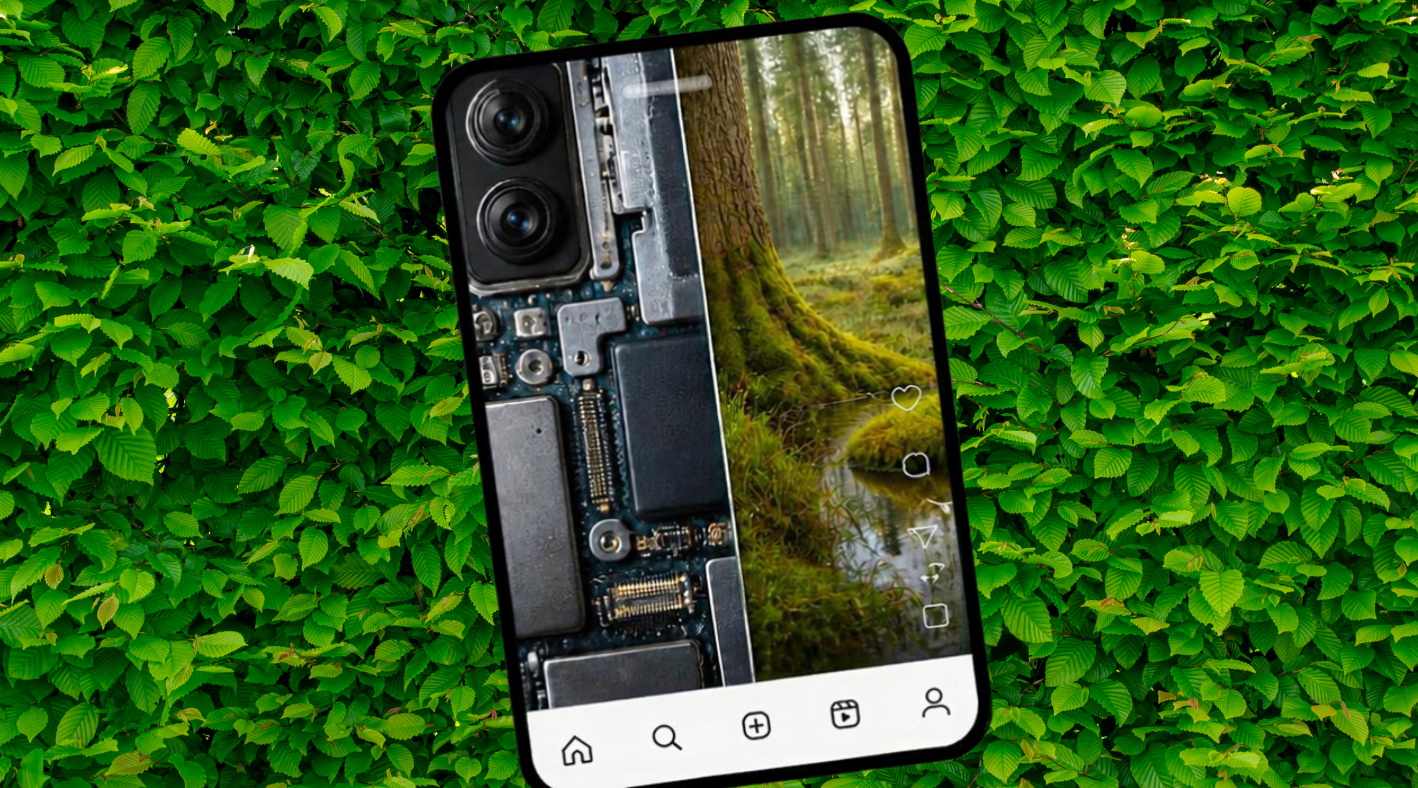
Every new phone launch comes with the same ritual: a sleek keynote, a list of upgraded specs, and, increasingly, a proud paragraph about sustainability. Apple has just confirmed the numbers behind the iPhone 18 Pro and Pro Max, and they mark a real step up. Both models are built with 40% recycled content overall, including 100% recycled cobalt in the battery and 85% recycled aluminium in the enclosure. Manufacturing now draws on 50% renewable energy across the supply chain, and packaging remains 100% fibre-based.
That 40% figure is worth pausing on. The iPhone 17 line, launched barely a year ago, sat at around 30% recycled content. Getting a third of the way further in a single generation is a genuinely fast pace of change, and it's part of Apple's push toward carbon neutrality across its entire footprint by 2030. That's real progress, not greenwashing. Cobalt mining is one of the most environmentally and ethically fraught parts of the tech supply chain, and closing that loop matters. Credit where it's due.
Apple isn't alone in this. Samsung's Galaxy S26, launched earlier this year, hit 100% recycled cobalt and 98% recycled lithium in its battery too, alongside 100% recycled rare earth elements in its speaker magnets. It also came with seven years of OS and security updates promised from launch, a commitment that does as much for a phone's lifespan as any materials figure. Whichever flagship ends up in your pocket this season, the direction of travel across the industry is the same.
A phone is only half the story, though. The report tells you what's inside the box. It doesn't tell you what happens once you switch it on.
What the Box Doesn't Show
Every text, call, and scroll runs on a network. Networks need masts, data centres, and constant power. Most of that runs on however the network provider chooses to fund it, and for most networks, that means straight back into shareholder profit.
At Ecotalk, it means something else. We're built on a simple commitment: our profits go into rewilding and nature restoration in Britain. Chris Packham, our Chief Ecologist, helps guide how that commitment turns into action on the ground.
Whatever phone ends up in your pocket, the network it runs on is a choice too. It's just one that rarely makes the headlines.
No Masts, No Matter
People sometimes ask whether Ecotalk is "just" one of the big networks under another name. It's a fair question, and worth answering properly. Ecotalk is what's known as an MVNO, a mobile virtual network operator. In plain terms, that means we run on an established provider's physical infrastructure rather than owning masts and cables of our own. Same coverage, same call quality as you'd get elsewhere. What changes is who's behind the SIM and where the profit goes once your bill is paid.
We don't pay that provider directly, either. Our commercial relationship runs through an intermediary, a common set-up for smaller providers, so the money that leaves Ecotalk for network access doesn't go straight to them.
This isn't unique to Ecotalk. There are only four mobile network operators in the UK that own and operate their own physical network infrastructure. Therefore, most alternative mobile providers in the UK work this way, because building a national mobile network from scratch is a multi-billion-pound undertaking that no new provider is realistically going to take on. The network we sit on is the UK's number 1 too, with coverage across the vast majority of the UK population and consistently high marks in independent network testing, including the RootMetrics UK State of Mobile report and Umlaut Connect's UK Mobile Network Test.
There's an environmental logic here as well, worth spelling out. Building a second, competing set of masts and data centres purely so Ecotalk could say it had "its own" network would mean more raw materials, more energy, more land use, all to duplicate something that already exists and works well. Using existing infrastructure instead means Ecotalk's entire footprint goes into what matters: the rewilding our profits are committed to, not steel and concrete that's already there.
The comparison that tends to land: ethical banks still move money through the same clearing systems as any other bank. Nobody expects them to build their own payment infrastructure from scratch. What matters is what they do differently once the money starts moving.
That's the actual difference with Ecotalk. The infrastructure is shared, and shared infrastructure is the more sustainable choice in its own right. What happens to the profit isn't shared with shareholders; it's committed to restoring nature.
Trading Up
If you're in the market for a new phone, it's worth remembering that a more sustainably built phone is only ever half the picture. What runs on it, and who profits from that, is a separate question entirely, and one that's easy to overlook in the excitement of a new handset.
Standing Your Ground
Here's the thing worth saying clearly: not upgrading is the more sustainable choice, every time. No amount of recycled cobalt beats simply using the phone you already have for another year, or two, or three. If you're holding onto your current handset, or picking up a repaired or refurbished one, you're already ahead on the numbers manufacturers are trying to hit. That instinct, to make what you have last, is worth more than any spec sheet.
Zooming Out
These reports are worth celebrating. They show that circular manufacturing is becoming the default, not the exception, and that's good news for everyone. Even so, the device in your hand is only ever one part of your footprint. The network behind it runs quietly in the background, month after month, and it's rarely part of the conversation. New phone or old, repaired or recycled, that's a question worth asking about anything we choose to use every day.