

It's Not Just the Phone
Every new phone launch comes with the same ritual: a sleek keynote, a list of upgraded specs, and, increasingly, a proud paragraph about sustainability.
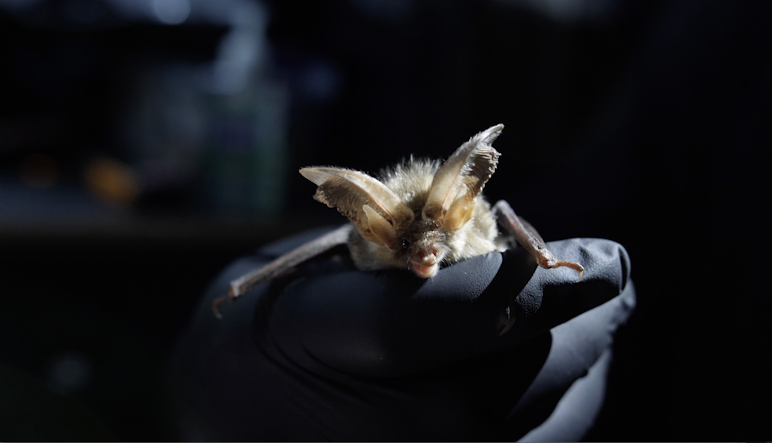
Bats have long been associated with Halloween, haunted houses and things that go bump in the night. Step beyond the spooky stereotypes, though, and you’ll discover some of Britain’s most fascinating mammals, with extraordinary abilities and plenty of secrets still to uncover.
At Bowyers Wood, an evening of bat research offered a glimpse into their hidden world. Specialist researchers joined the team for an advanced bat-trapping survey, getting an up-close look at these remarkable animals and the science helping us understand their lives.
Who Comes to a Midnight Bat Party?
As darkness fell, the team of experts set to work, carefully positioning mist nets along the bats’ flight paths and setting a harp trap nearby. These specialist methods allow researchers to safely capture bats for closer examination, with the equipment checked regularly throughout the night.
The team’s aim was to catch bats suitable for a new migration-tracking study, with a particular interest in Nathusius’ pipistrelles. Although these small bats are known to migrate between the UK and continental Europe, much remains unknown about the routes they take, where they stop along the way and whether some populations remain in the UK over winter.
Understanding where bats go, and how they use the landscape, could help scientists build a clearer picture of their movements and the habitats they depend on.
Can You Tell These Bats Apart?
The woodland certainly delivered some memorable encounters. Over the course of the evening, the researchers caught ten bats belonging to three species: soprano pipistrelle, common pipistrelle and brown long-eared bat.
Each was carefully examined, with the team recording details such as species, sex, estimated age and weight before releasing the bats back into the woodland.
The differences between species can be surprisingly subtle. Soprano and common pipistrelles, for example, were once considered to be the same species. Research into their echolocation calls helped establish that they are distinct, with soprano pipistrelles generally calling at a higher frequency than their common counterparts.
Brown long-eared bats have their own distinctive features, including their impressive ears and broad wings, which help them fly with a characteristically slow, fluttering movement.
For the experts, identifying each bat is an important part of building knowledge about the species living in the woodland. For anyone lucky enough to see one up close, it’s also a reminder that these animals are much more than mysterious silhouettes in the night sky.
The Bat With a Tracking App
One of the most exciting developments in bat research is the use of increasingly sophisticated technology to track their movements.
During the survey, bat expert and researcher Katie explained how new Bluetooth transmitters could help scientists investigate bat migration. The tiny tags send out a signal that can be detected by nearby Bluetooth-enabled devices, with location data then relayed through Apple’s Find My network. This offers researchers a way to gather information about a bat’s movements without having to follow it manually through the landscape.
The technology is particularly promising because tracking small animals presents a significant challenge. GPS tags are generally too heavy for many bat species, so researchers need lightweight alternatives that respect the animals’ welfare. The transmitters demonstrated during the survey weighed just 0.3 or 0.4 grams, and tags must meet strict weight limits relative to the bat carrying them.
Katie’s previous research using automated radio telemetry has already demonstrated how much there is still to learn. Working with greater horseshoe bats, her research tracked some individuals for up to 60 days and recorded flights considerably longer than researchers had previously thought typical. Even species that have been studied for decades can still surprise us!
The Guest of Honour Never Showed
Despite catching ten bats across three species, the team didn’t catch a suitable Nathusius’ pipistrelle to tag during this particular survey. That means the mystery of their movements remains unsolved, for now. The experts plan to return in spring to continue their work and see whether they can tag these elusive bats.
For the team, it’s another fascinating glimpse into the wildlife that shares our rewilding sites. Restoring habitats is about more than creating places where nature can thrive; it’s also about understanding the species that live there and the connections they make with the wider landscape.
So, this Halloween, forget the frightening folklore. The real story of bats is far more fascinating: tiny mammals navigating the night, travelling further than we once imagined and still keeping scientists on their toes. At Bowyers Wood, there’s plenty more to discover.