

Dam Good News
During one of the driest summers on record, the beavers of Bowyers Wood did exactly what they evolved to do.
Winter is finally loosening its grip, and Bowyer's Wood is buzzing with activity. New owl boxes are going up, trees are being planted, and our understanding of the site's extraordinary wildlife is deepening with every visit.
A Home for Owls
Jimmy has returned to install two more tawny owl boxes and a barn owl box. Fingers crossed for some feathered tenants by March! Meanwhile, ecologist Christine Meadows has been diving into the baseline surveys, painting a richer picture of Bowyer's Wood and everything that calls it home.
Who's Hiding in the Trees?
Baseline surveys are the foundation of all the work that's being undertaken here. They give the team a starting point to measure progress against. And what a starting point it is! Records from the Biodiversity Records Centre show that Bowyer's Wood has hosted over 960 species over the years — the kind of biodiversity you'd expect from a place this special.
That said, there are still gaps. Some species have simply been missed due to survey timing or methods, and the team are determined to find them!
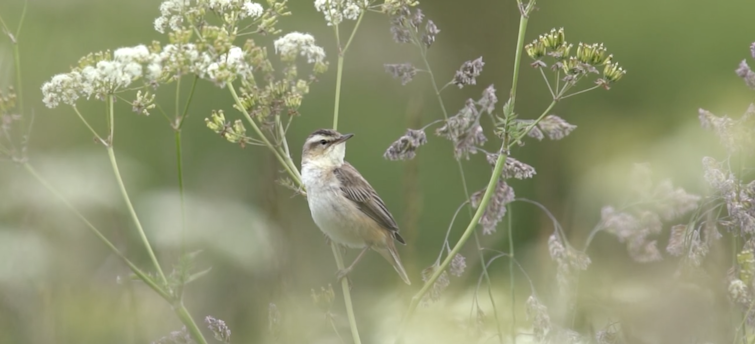
Birdlife is particularly fascinating. Historical records show cuckoos were once a familiar sound, while species like the tawny owl are present every year but easily overlooked in standard surveys. February is also prime time to hear goshawks staking out their territories, a species that often slips under the radar in spring and summer. If you're lucky enough to hear one, you'll never forget it. The team is working closely with the Sussex Ornithological Society to extend bird transects and fill these gaps.
Tiny Creatures, Big Impact
Deer, foxes, and rabbits roam the woodland, and dormice may well be here too. Protected species like bats and great crested newts require specialist surveys and licences, and the team are collaborating with local recording groups to monitor them carefully.
Insects, butterflies, and fungi are another exciting focus. Many species have been under-recorded to date, but with specialists joining the work this year, the team are expecting a real surge in new sightings. Even seemingly familiar fungi, like the oak mazegill, can tell remarkable ecological stories when examined closely.
Aspens, Poplars, and a Future Beaver Buffet
Some truly exciting planting is now underway. Black poplar, one of the rarest native trees in the UK, is being introduced to the site, and Steve Jones is helping establish aspen from root cuttings. Aspens are resilient, fast-growing, and brilliant for biodiversity. And here's the best bit: they're a favourite food source for beavers. The team are planting ahead, just in case!
Every plant is carefully spaced, monitored, and prepared to thrive even in wet conditions. Over time, these trees will help knit the woodland ecosystem together and create new habitats for wildlife to flourish.
Spotting Sussex's Most Elusive Bird
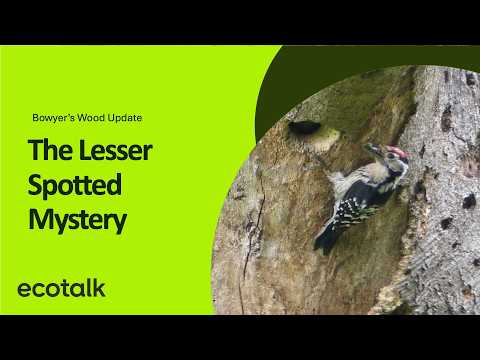
High in the trees and rarely seen, the lesser spotted woodpecker is one of Sussex's most elusive woodland residents. Once common enough to nest in school grounds, these tiny woodpeckers are now among England's rarest woodland species — and spotting one requires patience, skill, and a fair amount of luck.
Behind the scenes, Dr. Ken Smith has developed acoustic survey techniques that are transforming the team's ability to find them. Passive recorders capture their distinctive "tinny" drumming and subtle calls over days or even weeks, picking up what no human survey ever could. Even perched high in alder, birch, or beech, the lesser spotted woodpecker is starting to give itself away.
On site, Chris Packham and Mark Mallalieu of the Sussex Ornithological Society have initiated the hunt — identifying unique calls, scanning the treetops, and making the search for Sussex's rarest drummer both thrilling and surprisingly addictive.
Watch This Space
Over the coming months, experts will carry out detailed surveys of birds, bats, fungi, plants, and invertebrates, building a structured, long-term dataset to guide restoration and track progress. Bowyer's Wood is a living, evolving place, and with each visit, the picture gets a little clearer.