

Peak Heatwave Rewilding at Downicary
A scorching, bone-dry summer isn't exactly rewilding's dream weather. Yet at Downicary, nature seems determined to prove it doesn't need perfect conditions, just a chance.
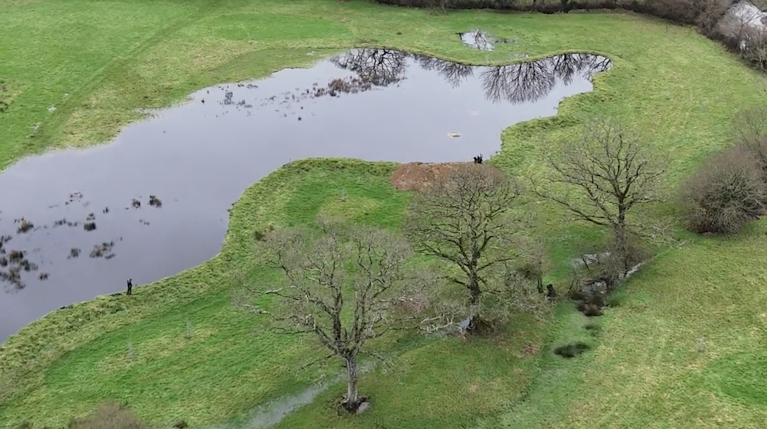
A new year at Downicary begins with water. Standing in the winter light, the team’s first visit of 2026 has revealed something quietly transformative. Where drains once hurried rainfall into the river, a broad lake now holds it. Around it, smaller ponds glint through the grass. The meadow itself feels saturated, alive, halfway between pasture and wetland. After a single winter, the land has responded.
Goodbye Drains, Hello Wetland!
Downicary was once managed to dry quickly, shaped for farming efficiency rather than ecological abundance. Drains channelled water away; the ground stayed firm underfoot. Those drains have now been smashed, and shallow basins cut into the soil. The result is immediate and striking. Water sits, spreads and lingers. The site has begun to behave like a wetland again.
Feathered Friends Check In
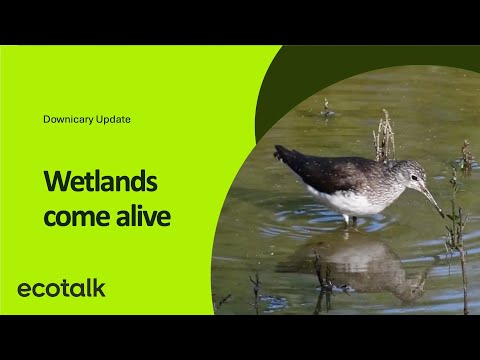
Almost immediately, birds have arrived. Green sandpipers have been seen again, flitting between pools. Shovelers, one of Britain’s most distinctive ducks, have taken up residence. A male and female linger, lifting off when disturbed only to settle again on a neighbouring pond. Their presence alone marks a clear increase in biodiversity; a species that simply would not have been here before. This is rewilding at work, not as an abstract concept, but as something visible and measurable.
Planting With Pizzazz
Beyond reshaping the land, the team has begun planting. On the bunds between ponds, pots of young wetland plants wait to be settled into the soil. Ragged robin, St John’s wort and a wide mix of marsh-loving species are being introduced. At present, much of the site is still grass. The aim is to change that gently but decisively.
Rather than mass planting, the approach is deliberate and patient. A few plants here, a few there. Three ragged robins placed in one area, then another small cluster further on. Experience suggests this is enough. Once established, these species spread readily, especially when floods carry seeds across the site. In time, spring should bring washes of pink, yellow and white, replacing uniform green with texture and colour.
Learning to Speak Wetland
Crucially, this winter is the first real opportunity to understand how water behaves at Downicary now that the drains are gone. Previously, the goal was speed; move water off the land as quickly as possible. Now the team can see where it naturally gathers, how long it stays and how different areas respond to prolonged rain.
That knowledge will guide the next phase. Some areas may need no further intervention. Others might benefit from subtle changes, perhaps encouraging water to travel further downslope, or feeding a pond from a nearby stream during drier periods. Nothing is rushed. Observation comes first.
Camera Chaos & Beavers at Play
Watching that conversation unfold is helped by camera traps, though they come with their own challenges. Some have performed beautifully, capturing geese gathering on the water and shovelers moving through the frame. Others have not been so lucky, overwhelmed by unexpected flooding.
One camera, positioned to watch for beaver activity, seemed perfectly placed. Fresh gnaw marks on a tree suggested an imminent, cinematic moment. Then nothing. The tree remains standing. Beavers, as Chris Packham notes, do beaver things. They start a job, then wander off to another, for reasons known only to them!
Flooding may have played a role here too. At one point, water rose high enough to partially submerge the camera. It was retrieved damp but functional, a reminder that working with dynamic landscapes means accepting occasional losses.
Voles on the Run
Elsewhere, however, the footage has been extraordinary. Along a dry bank rising from the wet meadow, voles have established themselves. The grass here is left long, forming a thatch that provides cover and nesting space. Little runways criss-cross the bank; neat lawns appear where voles have grazed close. This habitat simply did not exist when sheep kept the sward short.
With voles come predators. Camera footage shows a fox moving along the bank in winter sunlight, ears pricked, pausing to listen. There is a moment of stillness, then the classic pounce. A swift snatch. The fox settles to feed, fur glowing softly in the afternoon light as starlings pass overhead. Geese on the water raise their voices, uneasy at the fox’s presence.
It is a vivid, unscripted piece of behaviour. Beautiful, brutal and entirely natural.
Nature’s Snack Bar
This is the point where rewilding often provokes mixed emotions. Voles are charming, industrious creatures, and their sudden absence can feel uncomfortable. Yet their role is essential. They are food for foxes, barn owls and other predators. Their presence supports a wider web of life, even when that means individual animals are lost.
At Downicary, this dynamic simply was not possible before. Without long grass and wet margins, voles could not thrive. Without voles, foxes would hunt elsewhere. By allowing complexity back into the landscape, the team has restored these relationships.
Quiet Wins, Big Impact
That is the quiet success of the site so far. Not a single dramatic intervention, but a series of carefully considered changes that allow nature to reassert itself. Water held rather than drained. Plants encouraged rather than suppressed. Space made for animals to arrive, settle, feed and move on.
Watch Nature Work Its Magic
As the year unfolds, Downicary will continue to change. Some ponds may shrink. Others may deepen. Flowers will spread, insects will follow, and birds will respond in turn. The team will watch closely, guided by evidence rather than expectation.