

Dam Good News
During one of the driest summers on record, the beavers of Bowyers Wood did exactly what they evolved to do.
Rewilding Bowyer’s Wood with Ecotalk does not stop for winter.
On one of the wettest, muddiest days of the year, Chris Packham, Ecotalk’s Chief Ecologist, joins Chris Perkins on site to reflect on how much has already been achieved and how much more is quietly unfolding behind the scenes. Waterproofs stay close. Spirits stay high. Because even when the woodland looks dormant, the work of recovery continues.

The long awaited return of beavers
The question many supporters have been asking is a simple one: when will the beavers arrive? The answer, as so often in rewilding, is tied to detail, patience and welfare. Before Christmas, progress slowed due to an unexpected engineering challenge. The soft, plastic soils at Bowyer’s Wood meant that the trash screens for the stream intake and outflow had to be redesigned. These grills are critical points in the enclosure; places where water must move freely but beavers must not.
Redesigning them took time, and that delayed the final completion of the fencing. The enclosure itself is now finished, but formal sign off is still required before any animals can be moved. That delay, while frustrating, is deliberate. Beavers cannot be brought in until everything is approved. Had the team pushed ahead earlier, animals could have been left waiting in captivity for months, which would not have been acceptable from a welfare perspective.
With Christmas slowing down approvals, the hope is now that sign off will be completed soon, allowing beavers to arrive in late winter or early spring. February is the aim, with early March as a realistic backup. Rewilding does not run to shop opening hours, and beavers cannot simply be sourced on demand.
Finding the right beavers for the right place
When the green light finally comes, there are two possible routes.
One option is to relocate an entire family from Scotland, typically from land where beaver numbers have grown and conflicts have arisen. The alternative is to bring together animals from different enclosed populations, carefully matched to ensure genetic diversity.
That decision will depend entirely on availability at the time. What matters is not speed, but suitability. The right animals, in the right place, at the right moment.
Excitement is building, but so is realism. Beavers are a keystone species, and their arrival will shape the future of this landscape for decades. Getting it right matters.
Rare trees returning to Sussex
Beavers may be the headline, but they are not the only story unfolding at Bowyer’s Wood.
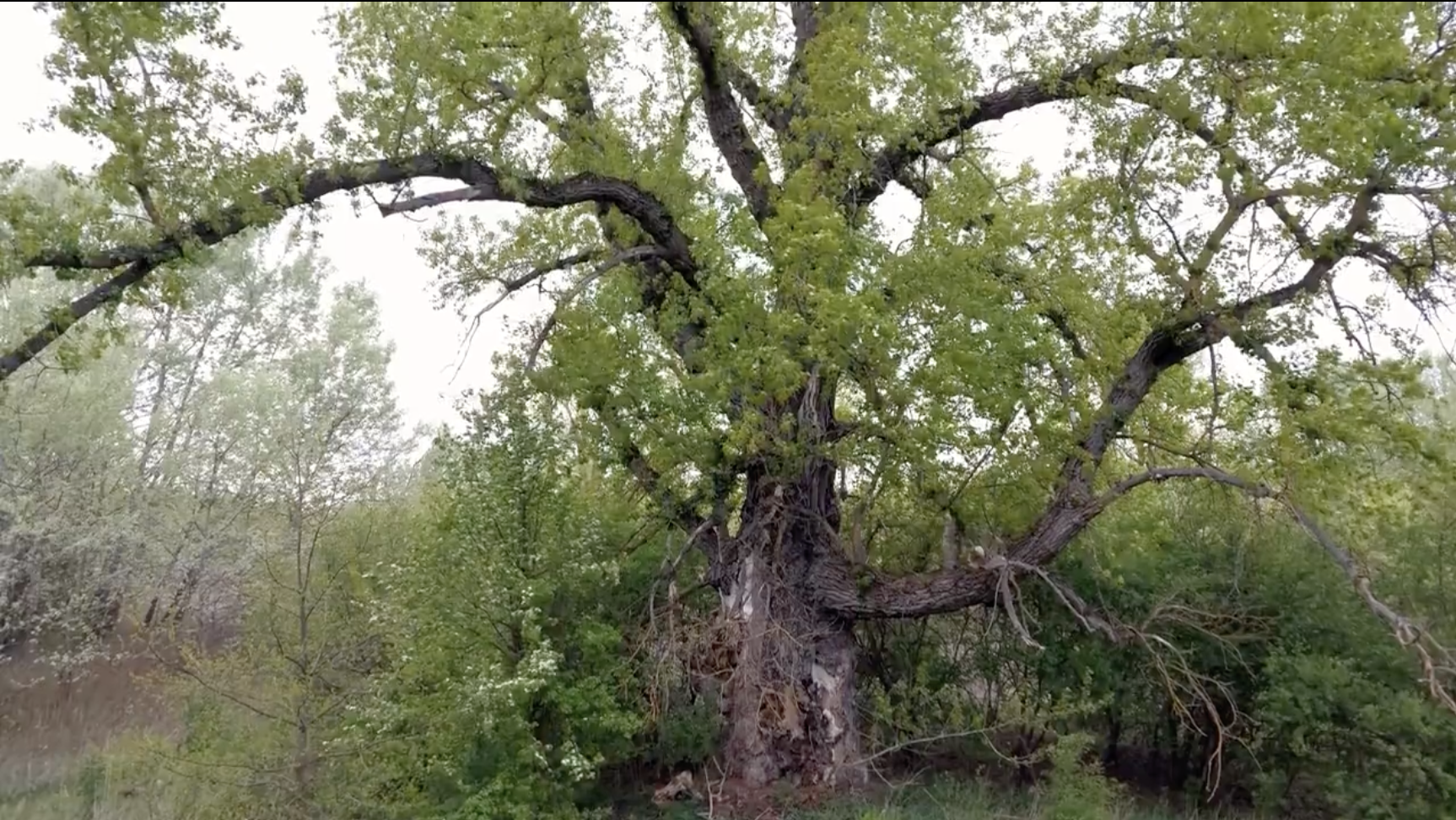
Through close collaboration with Sussex Wildlife Trust, Green Britain Foundation has secured something truly special; young black poplars. These are not the familiar fast-growing poplars planted in the mid-20th century, but native black poplars of real ecological and cultural significance. Once common in lowland Britain and immortalised in historic landscape paintings, they are now among the rarest trees in the country.
While current estimates suggest there are around 7,000 black poplars remaining in the UK, only about 10% are female. This imbalance makes natural reproduction incredibly difficult. Carefully managed breeding programmes are now working to reverse that decline, and Bowyer’s Wood is about to play a small but meaningful role in that recovery by helping to grow the next generation.
The trees will be planted within the beaver enclosure, but with careful protection. Beavers have excellent taste in bark, and black poplar would be a delicacy. The aim is not to deny beavers food, but to protect a rare species until it is firmly established.
Building knowledge before shaping outcomes
Alongside planting, the team has been focused on understanding what is already here.
Baseline surveys are essential in rewilding. Without knowing what species are present at the start, it is impossible to measure change or success. Plant surveys are now well underway, steadily building a clearer picture of the woodland’s existing diversity.
Crucially, a woodland management plan for Bowyer’s Wood has now been submitted to the Forestry Commission. This changes everything. Rather than simply recording what is found, surveys can now be linked to clear objectives for each compartment of the site. What should dominate here. What should be encouraged there. What pressures need to be reduced.
This shift allows data to inform action, rather than sitting passively on a list.
More species coming into focus
Survey work is expanding rapidly! Bird surveys will take place through spring and summer, with bat work following. A recent fungus survey has already delivered exciting results, adding 25 species not previously recorded on site. That sits within a wider species list approaching a thousand, showing just how rich this landscape already is, even before active rewilding accelerates.
Raptors are also a growing focus. Perch poles have been installed to make birds of prey easier to spot during surveys, and new nest boxes are going up, with more planned. These structures are already proving productive, supporting both monitoring and habitat provision.
Aspen, coppicing and natural cycles
Looking ahead, the team is also planning to introduce aspen. Aspen is a tree many people struggle to picture, yet it was once far more common in Britain. Elegant, light catching and quietly spectacular, it supports a wide range of species and brings seasonal drama through its autumn colour. While vast aspen landscapes belong more to North America, individual trees still have a powerful presence here.
Aspen is also a favourite of beavers, and unlike black poplar, it is a tree the team intends to share. When beavers feed on aspen, it responds by sending up new shoots from underground suckers. The cycle of eating, regrowth and coppicing becomes self sustaining, creating continuous habitat and food without depletion.
Within the beaver enclosure, this process will accelerate natural regeneration, demonstrating how beavers shape woodland structure rather than simply consuming it.
Winter work, spring promise
It is easy to assume that little happens in winter. In reality, this is when plans are signed off, surveys analysed and foundations laid. Enclosures are checked. Species lists grow. Decisions are made that will guide the site for years to come.
Everything happening at Bowyer’s Wood is made possible by the continued support of the Ecotalk community. Every switch, every message and every conversation helps fund practical action on the ground, putting nature back on the map in this part of Sussex.
And there is more to come.
More surveys. More trees. More beavers.
And with enough support, more black poplars returning to the landscape where they belong.